
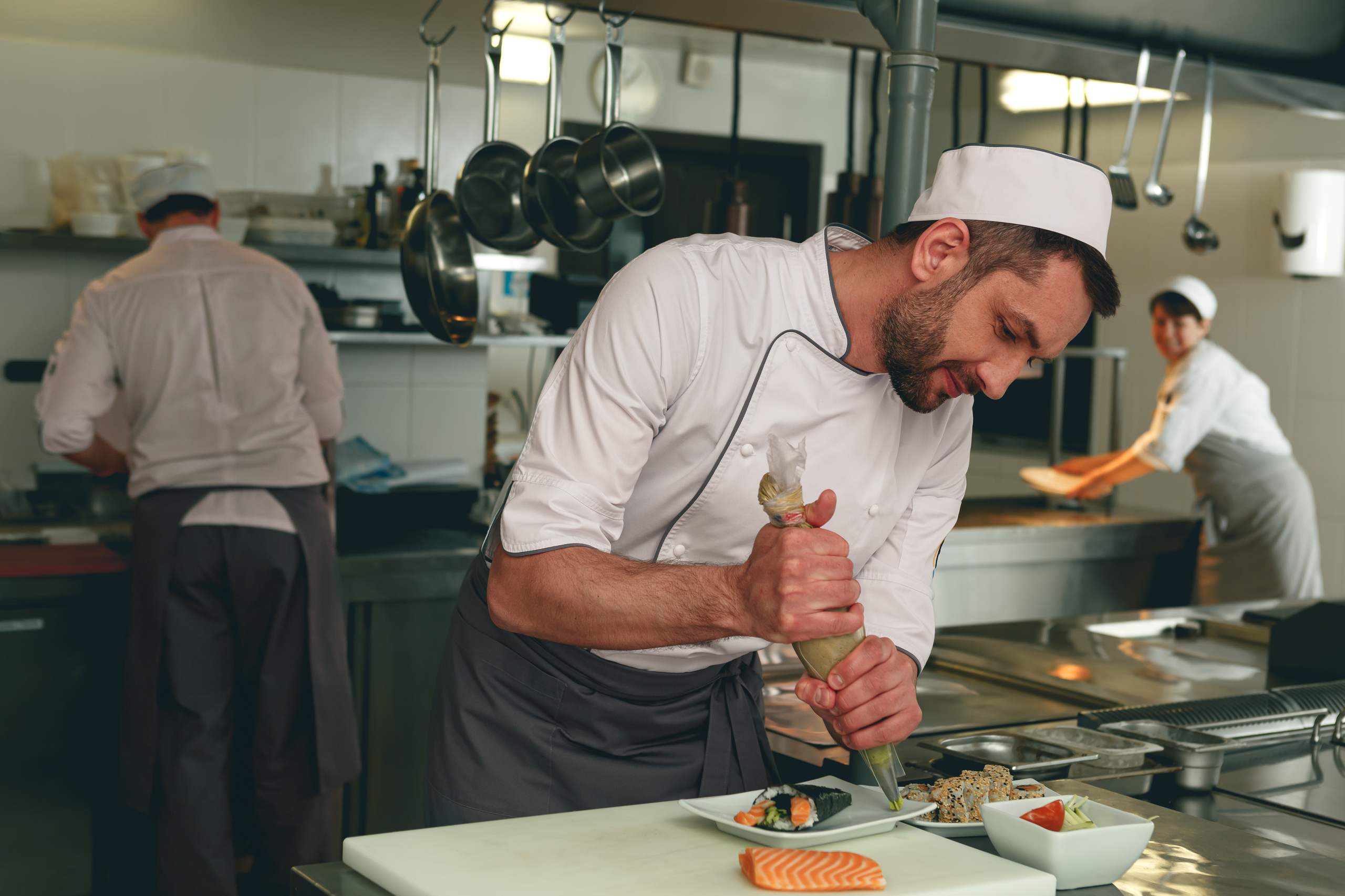
The Critical Role of Teamwork in Running a Restaurant
A restaurant can boast an incredible menu, brilliant chefs, and an upscale decor. Yet, in the absence of teamwork, it can be a struggle to achieve the standard of service that today’s guests have come to expect. The restaurant is a place of constant flux, where dozens of different departments need to collaborate at all times to ensure everything runs smoothly for every single diner. Every restaurant’s success story involves teams that communicate well and look out for each other.
Why Restaurant Teamwork is Important
There are so many things that are going on in a restaurant at once: Guests are ordering, chefs are making food, servers are waiting tables, and the front desk staff are taking care of requests. When restaurant employees are working together, the service is quicker, and errors and delays are minimized, leading to a smoother and more consistent dining experience for guests.
Restaurant teamwork benefits both the customer and staff and creates a more welcoming and organized environment at work.
Collaboration Between Front of House and Back of House
Arguably, one of the most important relationships within any restaurant is that between the front-of-house and back-of-house staff members.
Servers need to trust that their kitchen staff will cook their meals quickly and correctly; in turn, kitchen staff need servers to accurately report guests’ preferences, allergies, and special dietary needs.
Effective communication between these departments can prevent:
- Incorrectly ordered meals
- Slower service times
- Misunderstandings between the restaurant’s different teams
- Disappointed dining experiences
In fact, even a slight improvement in communications can make a big difference.
How Helping Your Colleagues at Peak Times Matters
It’s not uncommon for restaurants to experience extremely busy times. These moments are the times when teamwork is most important.
When your fellow restaurant staff members come to your aid, you’ll be able to provide the quality service your guests have come to expect, while reducing the team’s stress levels. Having an extra server to clear tables, for instance, or having a manager come out to assist a guest, makes an enormous difference during a restaurant’s peak periods. Many successful restaurants are those where this kind of collaborative culture has been developed.
Building Trust Within the Team
Restauranteers are most successful when there is a strong sense of trust between the restaurant staff members.
When you trust that your team members are looking out for you, you will communicate better, work more effectively together to solve any problems, and be quicker to bounce back from unexpected issues. Restaurant leaders can have a big effect in this regard by fostering cultures that value cooperation, trust, and professional development.
Leadership and Teamwork in the Restaurant Industry
Restaurant leaders play a large part in the success of their teams.
The best restaurant leaders will have clear ideas about what they are looking for and be supportive of their employees when things go wrong. It’s also not only leadership teams who can be instrumental in improving team spirit. Many successful restaurants are those where older members of the staff act as role models and positively influence their colleagues and the team at large.
Restaurant Technology and Collaboration
More and more, restaurant technology is becoming commonplace in many parts of the foodservice industry. For some restaurants, that technology is the backbone of the operation: managing orders, reservations, and even restaurant-wide communications.
In spite of this, however, no amount of restaurant tech can substitute the value of working well with your colleagues in person. Technology is only one component of success. Strong teams can ensure it’s effective to its full extent.
Restaurant Teamwork Skills to Build
Whether you’re looking for a restaurant job or are already employed in the industry, it pays to work on building strong communication, collaboration, and problem-solving skills.
Restaurant employers will be drawn to people who have these skills, because they will benefit from your willingness to put the restaurant before yourself at all times and are likely to promote people who possess them to roles involving higher responsibilities.
Great Teams Create Great Restaurant Guests’ Experiences
While guests will only see and interact with one or two members of the restaurant’s team during their meal, the overall dining experience depends on the efforts of the entire restaurant team working together.
Restaurants succeed when employees move beyond simply doing their own job and start to work collaboratively to deliver memorable dining experiences.